Whether or not there are health benefits of red wine has been a topic of much debate for some time. Before we get started on the pros and cons to red wine, let’s make one thing clear, any possible health benefits only apply to moderate drinking. The U.S. Dietary Guidelines state that moderate drinking is defined as “up to one drink per day for women, and up to two drinks per day for men.” Once we’ve cleared that up, let’s now understand what red wine is, how it is made, and what possible health benefits there may be.
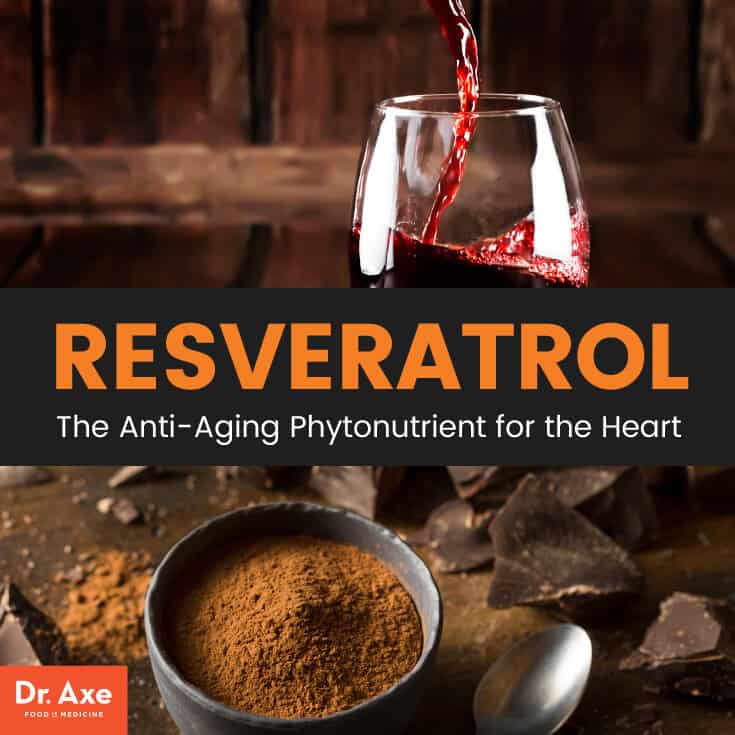
Red wine is made by crushing and fermenting dark-colored, whole grapes. The alcohol content usually ranges from 12–15%. Red wine is high in resveratrol, a compound that some plants produce to fight off bacteria and fungi, as well as to protect against ultraviolet irradiation. This antioxidant has been linked with many health benefits, including fighting inflammation and blood clotting, as well as reducing the risk of heart disease, protecting against some kinds of cancer, reducing the risk of dementia and depression, reducing the risk of developing type 2 diabetes, and preventing some types of vision loss. Resveratrol takes an active role in the prevention of cardiovascular diseases by neutralizing free oxygen radicals and reactive nitrogenous radicals. In simple English, resveratrol makes sure you don’t get heart problems by reducing the formation of blood clots from platelets. It also has been known for protecting the brain and nerve cells.
The U.S. National Center for Biotechnology Information states in a research report that “after studying the recent available clinical trials, it is evident that not only healthy food, but also moderate consumption of wine, has a link to cancer prevention . . . A moderate consumption of wine is recommended daily, mainly with food.”
Ultimately, many of the benefits linked to red wine are really benefits of resveratrol. But, we must understand that they aren’t only consumed through wine. The resveratrol in wine comes from the skins of red grapes. Blueberries, cranberries, and peanuts are also sources of resveratrol, and it is also available in supplement form. Grapes and berries are a better source of resveratrol than red wine, so eating these is likely to be more healthful than drinking wine.
The fact that red wine contains resveratrol can at times blind people into thinking its overall good for one to drink it. The fact that it is alcoholic brings its own risks to the table. However, if you are going to drink, red wine appears to be more healthy than other alcoholic beverages. It most definitely contains more resveratrol than white wine since it is fermented by the dark-coloured skins of the grape. But, the resveratrol content of red wine is still rather low. Some studies show that one would have to consume several bottles per day to reach the amount used in the animal studies which show the many benefits to resveratrol.
Furthermore, when discussing the possible health benefits of red wine, people often bring up the idea of the “French paradox,” the theory that French people have low rates of heart disease and live longer, despite the fact that they consume lots of saturated fats and cholesterol. They say that this is because the French drink a lot of red wine. To be frank, although there are experts who believe that red wine was the dietary agent protecting the French population from the harmful effects of their diet, the truth of the matter is that there is no proof to this notion.
You may have heard of the concept that “correlation does not imply causation.” This phrase is used worldwide by researchers, statisticians, and anyone who is educated in knowing which articles in the media to trust. This idea very much relates to the wine paradigm. Just because there is a correlation between drinking wine and health benefits, does not mean that the wine causes those health benefits. The fact that there is a correlation between the two variables does not imply that one actually causes the other. The health benefits that are said to be associated with wine are not fully proven, since there is no cause-and-effect relationship there. The fact that people use the “French Paradox” to imply that wine is good for you is not a sufficient circumstance, since imply in statistical terms means requires, not suggests. The example is nothing more than a coincidence and cannot be used as proof.
Although it may not be fully proven, lets say that perhaps 1-2 glasses of red wine each day really does lower the risk of heart disease, stroke, and other fatal illnesses. It may not be verified accurately, but it may be true. However, what is proven and verified accurately is that a high amount of alcohol, including red wine, in fact increases the risk of heart disease, stroke, and other fatal illnesses. Even if drinking a moderate level of red wine has some possible health benefits, drinking too much of it has more harms. There is much evidence that shows that a lot of alcohol consumption increases the risk of addiction, depression, mental health problems, cardiomyopathy, arrhythmias, stroke, hypertension, fatty liver, alcoholic hepatitis, cirrhosis, several cancers, pancreatitis, and many other chronic diseases. Therefore, at the end of the day, despite red wine being linked with some health benefits, none of them are worthy of encouraging alcohol consumption. There are many other effective ways to improve your health that don’t require you to consume something that can be harmful.
Work cited:
-Bjarnadottir, A., MS. (2017, June 4). Red Wine: Good or Bad? Retrieved May 14, 2019.
-Brazier, Y. (2017, September 07). Red wine: Benefits and risks. Retrieved May 14, 2019.
-Semantic Scholar. (n.d.). Correlation does not imply causation. Retrieved May 14, 2019.
-Snopek, L., Mlcek, J., Sochorova, L., Baron, M., Hlavacova, I., Jurikova, T., . . . Sochor, J. (2018, July 11). Contribution of Red Wine Consumption to Human Health Protection. Retrieved May 14, 2019.
 Sheva's Food Blog